


Austria
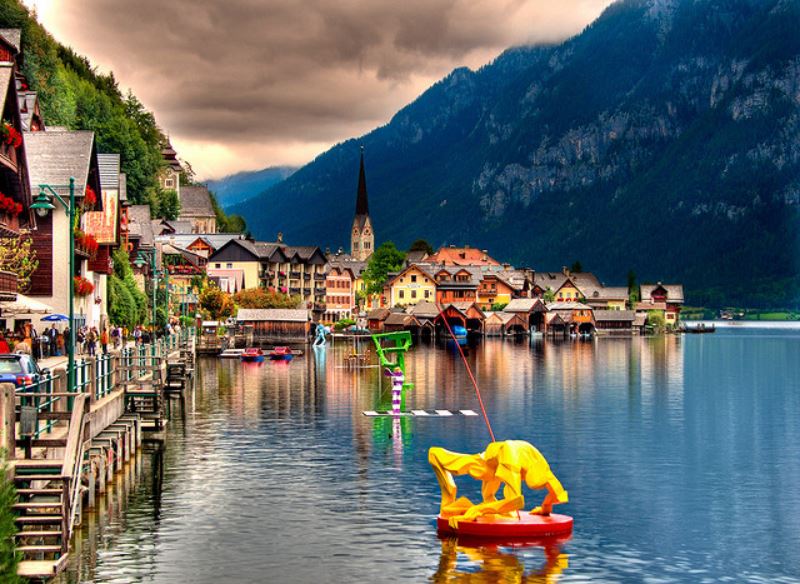
Hallstatt, Austria by Umberto Nicoletti with CC
During the Cold War, Austria was the gateway to the Eastern Bloc. In 1989-90, however, the borders were opened, and Austria was no longer considered the frontier to communism. Instead, it became one of the biggest investors in the reformed countries to the east.
Austria is an important creditor for the countries in Eastern Europe; the Austrian economy is strong, with an unemployment rate of only 4.5%.
The Austrian pharmaceutical market is attractive to foreign investors and exporters; the share of international products in Austria amounts to 80%—a fairly large figure. The country is home to 2,500 pharmacies, with a citizen-to-pharmacy ratio of 3,500 people per 1 pharmacy, and the pharmacist must own at least 51% of the business.
A market analysis and cross-country comparison show that the OTC market in Austria has substantial management and development potential. With an OTC market share of 12%, the country’s pharmaceutical market is an attractive potential entry point for many companies. It is estimated that the Austrian OTC market will grow 2.4% per annum until 2018, when it will reach an estimated market value of US $0.69 billion. Increased use of OTC medications can conserve scarce resources and supplement the costs of ownership lost each year.
Each pharmacy in Austria is allowed to run at least one branch pharmacy, which makes for a total of 23 branch pharmacies. There is a very small list of OTC medicines available outside pharmacies (in drugstores, in other words). Internet pharmacies are not permitted, and ownership is also regulated. Co-ownership is possible, provided that the managing pharmacist holds more than 51%. Austria’s cost-containment policies in the healthcare sector could spur a rise in the consumption of generics, however, and Austria will be a strong competitor for developing countries.